

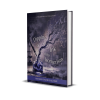
Counting the Calories in my Biryani by Maheena Tufail
₨2,500.00
No. of Pages = 207
Cover = Paperback
ISBN = 978-627-7897-56-7
Pre-Order Now!
You may also like it
-

Asasa-e-Kul by Nazima Tabassum
₨999.00 -
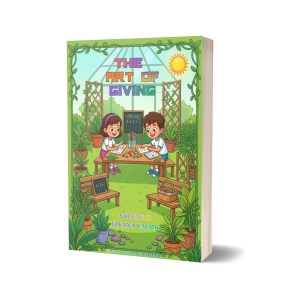
The Art of Giving by Izyana Umair
₨1,500.00
QR codes
This book is dedicated to all the people who struggle with eating disorders or any other sort of mental illness. When I was eighteen, I remember going without eating and overexercising to lose a part of my lower stomach. Whenever my friends made a plan to eat out, I would panic. I was born in Karachi and having lived there for thirteen years, it was a place of good food and lights for me. However, when I was there for the only two times in a year, I restrained myself from eating anything at restaurants even if the food was healthy, said no to pizzas and sugar because they were ‘bad’ for me. My goal here is not to encourage you to be diabetic or to have heart disease. What I’m saying is that people who struggle with anorexia deserve to eat, live and make good memories just like anyone else. From what I’ve gone through, restricting myself excessively or cutting out food groups made my life smaller. I went through mood swings, hair loss, fatigue and many other symptoms. Upon joining an online ED (eating disorder) community, I found all sorts of people there and even men. That was the first time I understood that an eating disorder doesn’t look at your gender. Or your age.
It just comes to you.
It’s not a romantic disease that “sad/white girls” have nor is it something you ‘wished’ you had.
It is the mental illness with the world’s highest mortality rate.
Studies that involve over 33,000 patients show that Anorexia nervosa carries a significantly elevated risk of death, with suicide accounting for about 21% of those deaths. Other long-term research estimates that around 5–10% of individuals with the disorder die over time.
Anorexia is like a friend who welcomes you and helps you lose weight.
But as time passes, it becomes meaner and meaner. It wants to make your life more rigid and hard.
Anorexia is not your best friend.
A best friend wouldn’t try to kill you.
Anorexia is a bully.
More than eating disorders, I wanted this book to focus on a range of issues, especially the ones that are common in my own culture. I grew up in Pakistan and watched many women by my side getting bullied. Most women are told to change their appearance, complexion or weight. Or they are forced to sacrifice their dreams. Or they’re forced to marry someone they don’t want to.
In our culture, we don’t talk about these things. We think they’re silly jokes. More than that, in a brown society, what other people think is more important than what you think about yourself. When children stand up for the ones who bullied their parents, the parents are the first ones to silence them.
By writing this book, I hope I can help parents understand their children a little bit better and make the brown world a more cooperative and non-judgmental society.
Only logged in customers who have purchased this product may leave a review.



Reviews
There are no reviews yet.