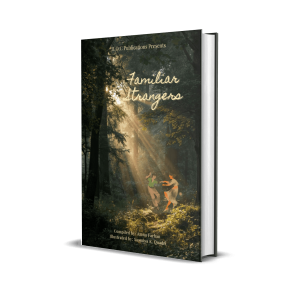
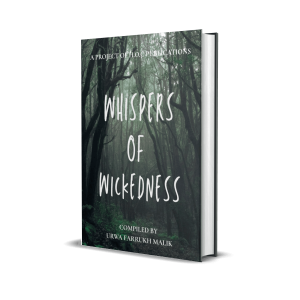
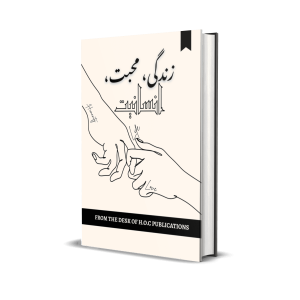
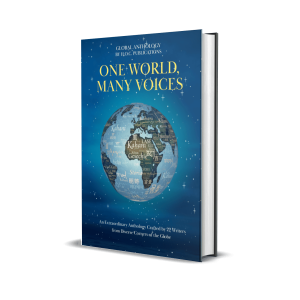
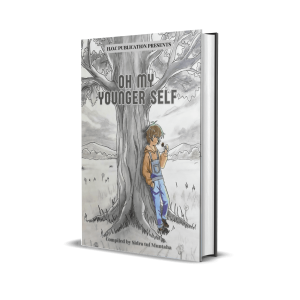
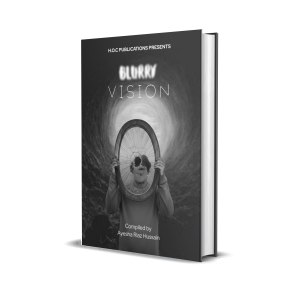
Sometimes, the people closest to us remain strangers to our deepest feelings. We share moments and memories, yet certain distances quietly exist between hearts. Familiar...
This magazine was not started as a large, well-executed endeavor. The idea was straightforward: what if we provided a platform for students to write, express...
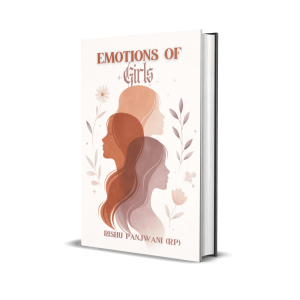
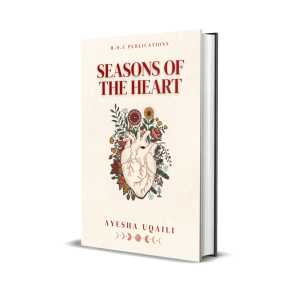
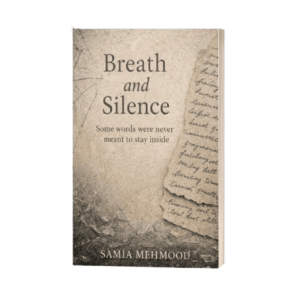
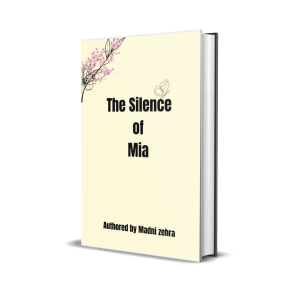
This book was written in moments where feelings changed just like the weather; some gentle, some forgiving. It holds the ache of loss, the slow process of healing, and the unexpected warmth of love returning. These pages were not created for answers, but to sit beside you through whatever season you find yourself in.
I've laid these words out like a garden, don't run, wander slowly and pick the flowers which feel most like you. Take your time, feel what you feel and if any of these words sound like your own heart speaking back to you, then this book has found where it belongs.
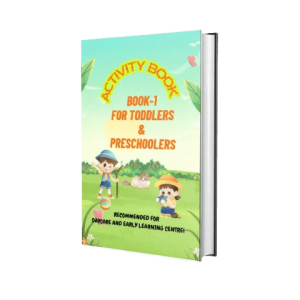
Activity Book: Book 1 for Toddlers and Preschoolers is a delightful start to every child's educational adventure, where small hands explore, inquisitive minds learn, and happy hearts develop. This book turns early education into enjoyable, meaningful, and play-based experiences, especially for children between the ages of one and five. Through lively activities, movement, stories, language, creativity, and peaceful Islamic values, children gain self-assurance, independence, and a passion for learning.
Designed with toddlers and preschoolers in mind, this book also serves as a practical guide for educators, parents, and caregivers at daycares and early learning centres, helping them foster not just knowledge and skills but also kindness, faith, and strong character—creating a beautiful foundation for life.
₨2,000.00Original price was: ₨2,000.00.₨1,500.00Current price is: ₨1,500.00.
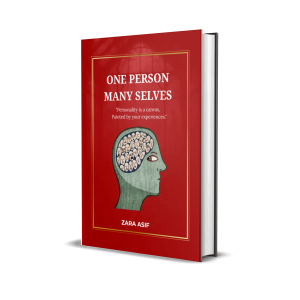
One Person, Many Selves is a deeply reflective and emotionally resonant journey into the fragmented self, the quiet child, the people-pleaser, the perfectionist, the overthinker, all living within one soul trying to be understood.
Drawing on personal experience and emotional insight, Zara Asif explores how childhood conditioning, parental influence, and societal expectations subtly shape the many versions of who we become. Through raw narrative, psychological reflection, and poetic storytelling, the book invites readers to confront their inner voices, untangle inherited beliefs, and reclaim the parts of themselves they had to conceal to survive.
This book is not a manual; it's a mirror. A gentle guide for those who feel like too many people live inside them, for those healing from emotional wounds no one else could see, and for those ready to finally ask: Who am I beneath it all?One Person, Many Selves is for the reader who wants to feel whole again, not by choosing one version of themselves, but by learning to love them all.
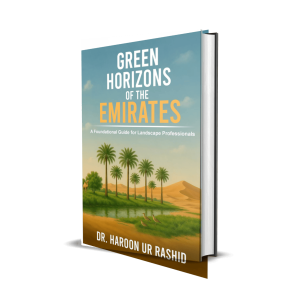
Green Horizons of the Emirates by Dr. Haroon Ur Rashid is a comprehensive guide to sustainable landscaping in arid environments. Covering soft landscaping, irrigation systems, plant selection, and environmental sustainability aligned with UAE Vision, this book is essential for landscape architects, contractors, consultants, and students. With practical project management tools and real-world applications, it helps professionals deliver climate-resilient and resource-efficient landscape projects.
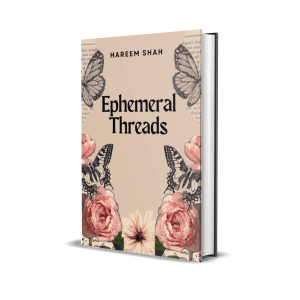
“Ephemeral Threads” weaves together the delicate and intricate moments that define our human experience. Through poems exploring hope, love, loss, and memories, this collection captures the transient nature of life and the fleeting emotions that shape us. Each thread reflects the constant change we face—moments of joy, sorrow, and growth—bringing to life the characters and stories that dwell within us all. This book is a journey through the fragile beauty of living, reminding us that even the briefest moments leave lasting impressions on our hearts.
This book is dedicated to Allah, the most gracious, the most merciful, to Him belongs all knowledge and wisdom, without His guidance, this work would...
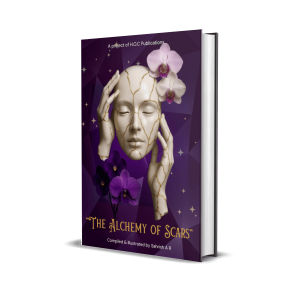
Alchemy of Scars is a journey through the hidden chambers of the heart—through wounds carried in silence, through storms weathered without witness, through nights that...